Queen City ADU Program Applications Are Closed
The Queen City ADU Program is not currently accepting new applications for financial assistance. According to the City of Charlotte, applications closed on October 31, 2025.
Property owners can still build an ADU without participating in the financing program. The City also offers an interest form for people who want updates about future funding, educational opportunities, and possible application reopenings.
Completing the interest form is not an application and does not guarantee future eligibility or funding.
What Qualifies as an ADU in Charlotte?
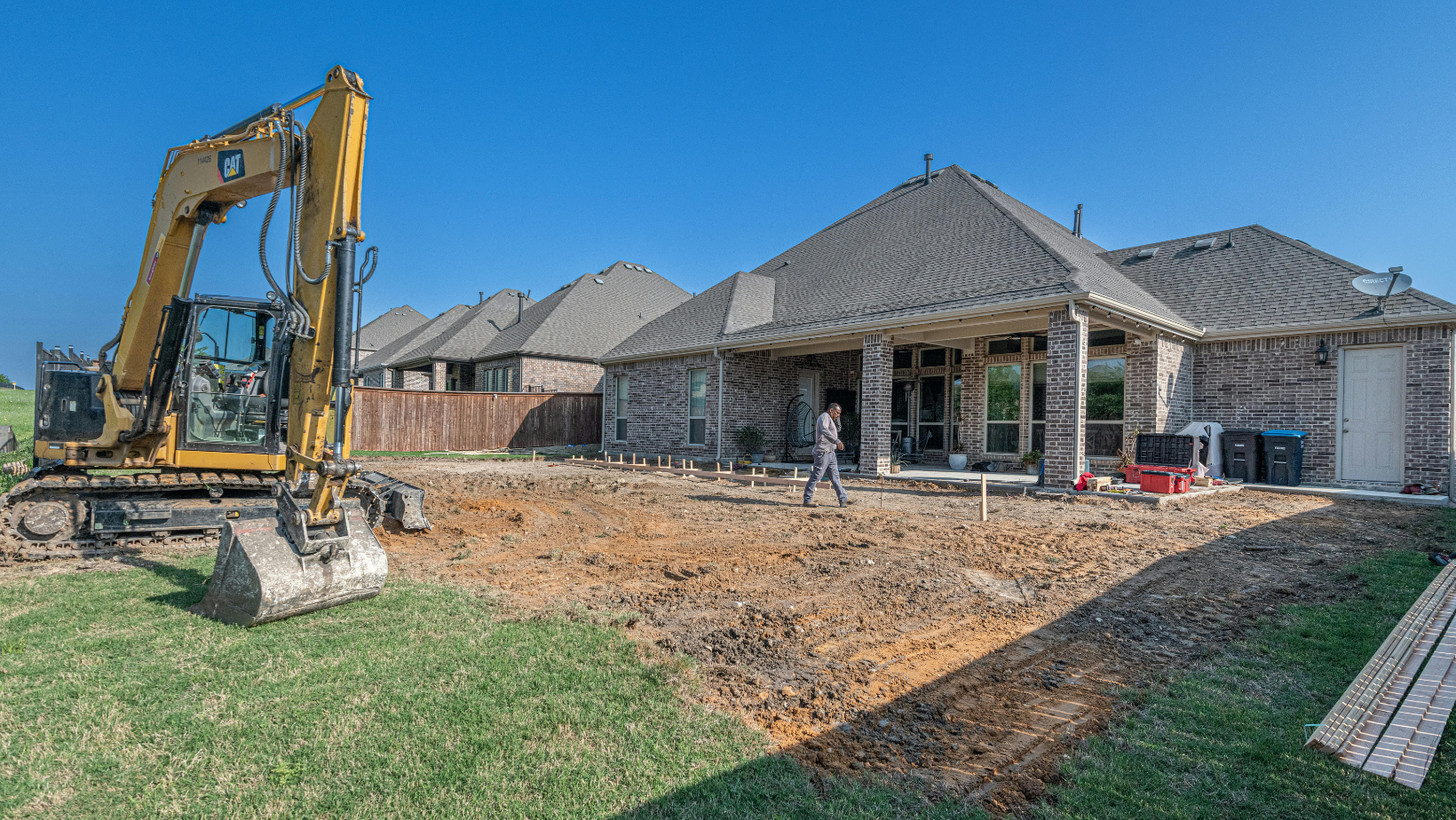
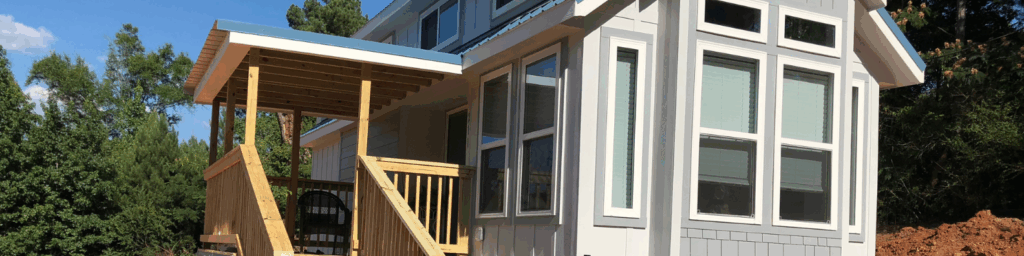
An accessory dwelling unit is an additional residential unit associated with a principal home. It may be attached to the existing house, such as a converted basement, garage, or addition, or detached as a separate backyard structure.
An ADU functions as an independent residence and generally includes its own kitchen, bathroom, sleeping area, and entrance.
Charlotte generally allows one ADU per eligible lot.
The ADU and the principal home must remain under the same ownership.
An ADU must be a permanent residential space and cannot be a recreational vehicle, camper, travel trailer, or manufactured-home conversion.
Zoning, setbacks, trees, stormwater, grading, utilities, easements, and access can affect feasibility.
How the Closed Financing Program Was Structured
For approved participants, the Queen City ADU Program offered up to $80,000, or 50% of eligible project costs, whichever was less, in interest-free, forgivable financing.
The standard program required the owner to provide the remaining 50% through personal funds, loans, grants, approved in-kind contributions, or another acceptable source. The City reserved the right to consider a reduced match in cases of limited financial hardship.
Forgiveness was tied to continued affordability and annual compliance:
- $10,000 could be forgiven for each qualifying year of affordability.
- $15,000 per year could be forgiven if the resident was referred through an eligible housing or supportive services organization.
- The maximum standard affordability period was eight years for an $80,000 award.
- Updated leases, income documentation, rent information, and other records were required annually.
- Noncompliance could result in withholding funds or prorated repayment of the unforgiven balance.
These terms describe the closed program round. Existing participants should follow their signed funding agreement and the City’s current instructions.

Who Was Eligible for the Financing Program?
The City’s program information packet states that both owner-occupants and non-occupant property owners were eligible, provided the property was located within Charlotte city limits, and the applicant met the remaining program requirements.
The City’s current public summary describes the closed funding program as supporting detached ADUs. Because applications are closed and program rules may change before any future funding round, prospective applicants should not assume that earlier eligibility rules will automatically carry forward.
When Was Professional Property Management Required?
Professional property management was not automatically required for every participant.
Under the published program packet, a property manager was required for at least the first 18 months when both of the following conditions applied:
- The ADU was rented to someone who was not a close relative or family member.
- The property owner did not have previous experience managing rental housing.
Owners renting to a close family member or with prior rental management experience could request self-management, subject to the City’s training and documentation requirements.
Income and Rent Restrictions for Program Participants
The financing program required participating owners to rent their ADUs to households earning no more than 80% of the Area Median Income. Income had to be verified before the lease was signed and confirmed through annual recertification.
For reference, HUD’s fiscal-year 2026 low-income limits for the Charlotte-Concord-Gastonia metropolitan area are:
| Household Size | FY 2026 80% Income Limit |
|---|---|
| 1 person | $65,750 |
| 2 people | $75,150 |
| 3 people | $84,550 |
| 4 people | $93,900 |
| 5 people | $101,450 |
| 6 people | $108,950 |
Income limits are updated periodically. Existing participants should confirm which income table the City requires for their annual certification.
How Was Maximum Rent Determined?
The program packet states that monthly rent could not exceed the published maximum for a studio unit at 70% AMI. For program rent-setting purposes, the packet treated an ADU as a studio, even if it had more than one bedroom.
The City’s fiscal-year 2026 maximum-rent table lists $1,238 per month as the maximum rent for a studio at 70% AMI. Program agreements, utility treatment, City approvals, and subsequent updates may affect the amount an individual participant may charge.
The first resident’s lease had to be at least 12 months. Later lease lengths could vary as long as the property remained compliant. Proposed rent increases required prior written approval from the City.
The City’s ADU Plans Are Not Permit-Ready
Charlotte’s ADU Design & Development materials can help owners compare layouts and begin planning their projects. Property owners may request an unstamped construction plan set for an available design at no cost.
However, the plans are not pre-approved or permit-ready for a specific property. They are a starting point, not authorization to begin construction.
Every project still requires site-specific review, professional coordination, applicable engineering, City and County permits, contractor review, and inspections.
Current Charlotte ADU Size and Zoning Considerations
Current City guidance states that an ADU may generally contain up to 600 heated square feet or 70% of the principal home’s total floor area, whichever is greater. An ADU cannot exceed 1,000 heated square feet.
This replaces the article’s previous statement that an ADU could only be 50% of the main home’s size.
Size is only one part of the review. Owners must also consider:
- The property’s zoning district
- Side, rear, and corner-side setbacks
- Required separation from the principal structure
- Protected trees and urban-forestry requirements
- Stormwater, grading, easements, and floodplain conditions
- Driveway and access limitations
- Water, sewer, electric, and other utility connections
- Private HOA rules and restrictive covenants
The City does not enforce private HOA covenants. Property owners are responsible for reviewing those restrictions separately.
A More Accurate Step-by-Step ADU Process
Every property is different, but the current City guidance follows this general sequence:
Use Charlotte’s MyADU Eligibility Tool to review zoning and identify obvious property constraints. The result is preliminary and does not guarantee approval.
Check HOA rules, recorded covenants, easements, and other private restrictions before investing heavily in design work.
Review the City’s design resources or hire an architect, designer, or design-build company. A licensed professional should evaluate the design for your actual property.
Mecklenburg County address-assignment documentation is required as part of the permitting process for the proposed ADU.
The City’s Land Development Individual Residential Lot permit, known as an LDIRL, reviews zoning, stormwater, and tree requirements. Mecklenburg County reviews the building, structural, electrical, plumbing, and mechanical plans separately.
Work with qualified professionals to determine how water, sewer, electricity, drainage, and other services will connect to the ADU.
Your contractor must coordinate construction and required inspections, including foundation, framing, trade, and final reviews.
The unit cannot be lawfully occupied until required approvals and final inspections are complete.
Establish the rent, lease terms, resident communication process, rent collection system, maintenance plan, and any applicable affordability reporting procedures.
Where Professional Property Management Can Help
Once construction is complete, an ADU becomes a rental property with many of the same responsibilities as a traditional rental home.
Henderson Properties can help Charlotte ADU owners organize:
- Rental pricing within applicable program restrictions
- Property marketing and leasing
- Lease preparation and move-in coordination
- Resident communication and support
- Monthly rent collection and owner reporting
- Maintenance and repair coordination
- Lease, rent, and property records needed for owner reporting
The property owner remains responsible for complying with City requirements and the terms of any funding agreement. Professional management can make the day-to-day rental operation more organized and easier to document.
This Is a Charlotte Guide (Not a Statewide Legalization Claim)
This article describes ADU rules and resources within the City of Charlotte. It should not be interpreted as saying North Carolina has enacted a statewide law requiring ADUs to be permitted on nearly every residential lot.
As of August 18, 2026, North Carolina Senate Bill 495 remains referred to the Senate Rules and Operations Committee. It has not been enacted into law.
Frequently Asked Questions About Charlotte ADUs
Official Resources
ADU rules, financing terms, rent limits, income limits, and application availability can change. Verify current requirements before making financial or construction decisions.
- City of Charlotte Accessory Dwelling Unit Resource Page
- Queen City ADU Program Information Packet
- City of Charlotte UDO Zoning Administration Manual
- HUD Fiscal Year 2026 Charlotte-Area Income Limits
- North Carolina Senate Bill 495 Status
This article was fact-checked on August 18, 2026. It provides general information and is not legal, zoning, construction, tax, or financial advice.
Planning to Rent an ADU in Charlotte?
Henderson Properties helps Charlotte rental owners manage leasing, resident communication, rent collection, maintenance coordination, inspections, and owner reporting.
Talk with our team before the unit is marketed so the rental process, pricing, records, and management responsibilities are organized from the beginning.