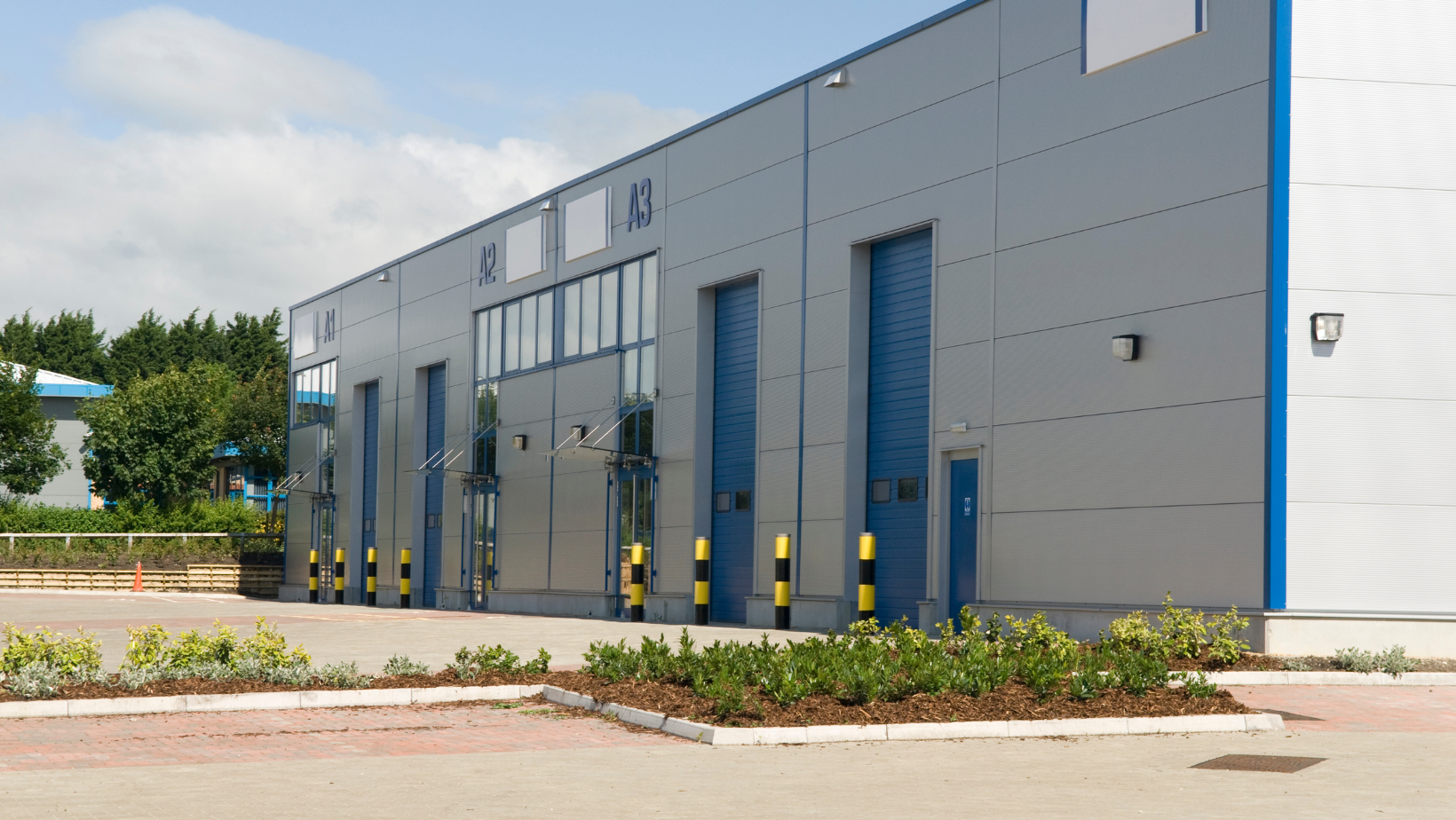
Choosing an industrial property management company requires more than comparing monthly fees. Warehouse and flex property owners should evaluate lease-administration experience, CAM and NNN reporting, preventive maintenance systems, vendor oversight, tenant communication, emergency response, and experience with multi-tenant industrial operations.
Industrial properties have operational requirements that differ significantly from those of residential rentals. Loading areas, roof systems, parking lots, tenant improvements, commercial leases, insurance requirements, and shared operating expenses all require organized oversight.
The right industrial park property manager should understand both the physical property and the business operations taking place inside it. Owners need a management company that can communicate with tenants, track critical lease requirements, coordinate with specialized vendors, and provide financial information to support informed decisions.
If you own a warehouse, flex building, distribution facility, or light industrial property in the Charlotte region, this guide will help you compare companies before signing a management agreement. You can also check out our Warehouse and Industrial Property Management Services.
Start With The Type Of Industrial Property You Own
Before comparing industrial property management companies, define the property type, number of tenants, lease structure, and the level of operational support required. A multi-tenant flex park usually requires more shared-cost administration and tenant coordination than a single-tenant NNN building.
Single-Tenant Warehouse
May require lease monitoring, inspections, maintenance oversight and confirmation that tenant responsibilities are being completed.
Multi-Tenant Industrial Park
Requires coordinated tenant communication, shared-area maintenance, lease administration and accurate allocation of operating expenses.
Flex Building
Combines office and warehouse uses, creating different maintenance, parking, access and tenant-service requirements.
Light Manufacturing Building
May involve specialized equipment, power requirements, ventilation, loading access and tenant-specific operating concerns.
Distribution Facility
Depends heavily on dependable loading access, truck circulation, parking, building systems and rapid responses to operational problems.
Contractor Or Service Complex
Often has several smaller tenants with different vehicles, storage needs, customer traffic and access requirements.
Ask each prospective management company whether it currently manages properties comparable to yours. Experience managing a single warehouse does not automatically demonstrate experience with a multi-tenant industrial or flex park.
Evaluate Commercial Lease Administration
Commercial leases define many of the financial and operational responsibilities affecting an industrial property. The property manager should have a reliable system for reviewing each lease, identifying important terms and tracking deadlines.
Ask how lease information is recorded and monitored. Depending on the property and lease, the management company may need to track:
Lease expiration dates and notice requirements
Renewal and option deadlines for owners and tenants
Insurance requirements and certificates of insurance
Rent escalations and scheduled increases
Maintenance responsibilities assigned to the owner or tenant
Default and notice provisions outlined in the lease
Security deposits and related documentation
Tenant improvement obligations and approval requirements
Permitted uses and restrictions affecting the property
Common-area obligations and shared operating costs
What To Ask
“How do you abstract our leases, track critical dates and confirm that owner and tenant responsibilities are being completed?”
A capable commercial property manager should be able to explain the process clearly. Relying on memory, scattered calendar reminders, or individual email inboxes creates avoidable risk.
Ask How CAM And NNN Expenses Are Handled
Common Area Maintenance and NNN charges can be complicated because the calculation depends on the language in each tenant’s lease. A strong industrial property management company should have an organized process for budgeting expenses, tracking actual costs, and preparing reconciliations.
Ask how the company handles:
Annual property operating budgets
Monthly or periodic tenant estimates
Expense coding by property and category
Lease-specific expense inclusions and exclusions
Pro-rata calculations and allocation methods
Expense caps or other lease limitations
Year-end reconciliation calculations
Supporting invoices and financial documentation
Tenant credits or additional balances
Questions, audits or disputes from tenants
The manager should not assume every tenant in the building has identical lease terms. One tenant may have a cap, exclusion, base year, or calculation method that does not apply to another tenant.
Look For A Repeatable Process
A well-organized process should connect the lease, annual budget, general ledger, tenant estimates, actual expenses, and final reconciliation. Owners should be able to understand how the calculation was prepared and what documentation supports it.
Henderson Properties provides CAM and NNN budgeting and reconciliation support. You can also review Commercial Property Management Services.
Need Better Oversight For An Industrial Property?
Henderson Properties can review your leases, maintenance needs, financial reporting, and current operating structure.
Review The Preventive Maintenance Program
Industrial properties contain systems and operating areas that can be expensive to repair when problems are ignored. Preventive maintenance should be organized around the actual building, lease responsibilities, tenant operations, and age of major components.
Ask prospective managers how they develop maintenance schedules and document completed work. Depending on the property, the program may address:
Also ask how frequently the property will be visited. A manager may conduct scheduled inspections, but industrial properties also benefit from routine site observation. Regular visits can reveal blocked access areas, lighting failures, pavement deterioration, drainage problems, or unauthorized exterior storage before the problems become more serious.
You can also Explore Routine Property Inspections and ongoing property oversight.
Understand Vendor And Repair Controls
Vendor coordination affects operating costs, response times, property condition, and tenant satisfaction. Before hiring a warehouse property management company, understand exactly how repairs are requested, approved, assigned, and documented.
Ask These Vendor-Control Questions
Are vendors appropriately licensed and insured for the work performed?
Are certificates of insurance collected and tracked?
Who approves routine and emergency repairs?
Will the owner establish a repair-approval threshold?
When are competitive bids obtained?
How are after-hours requests handled?
Are completed repairs supported by notes, photographs, or invoices?
How are warranties tracked?
Are maintenance coordination fees or invoice markups disclosed?
How are recurring vendor contracts reviewed?
The cheapest vendor is not automatically the best choice. Owners should look for a process that balances price, qualifications, availability, safety, and the effect a delayed repair could have on tenant operations.
A qualified property manager should also be able to separate routine operating repairs from larger capital projects. Major replacements may require a defined scope, multiple bids, owner approval, scheduling coordination and communication with affected tenants.
Compare Financial Reporting
Industrial property owners need more than a deposit in their bank account. Financial reports should explain what was collected, what was spent, which tenants are delinquent, how actual expenses compare with the budget, and whether unusual issues require attention.
A typical reporting package may include:
Rent roll: Current tenants, rent amounts, lease dates and occupancy information
Delinquency report: Unpaid balances and collection activity
Income and expense statement: Property revenue and operating expenses
Balance sheet: When appropriate for the ownership and reporting structure
Work-order report: Open, completed, and recurring maintenance items
Accounts payable report: Outstanding and recently paid invoices
Budget-versus-actual report: Variances requiring review or explanation
CAM or NNN reporting: Tenant estimates, expenses and reconciliation information
Narrative commentary: An explanation of unusual expenses, tenant concerns or operational changes
Ask to see a sample reporting package with private information removed. Confirm when reports are delivered, how owners access invoices and whether someone will explain unexpected variances.
Reporting Should Help You Make Decisions
Financial reports are most valuable when they help an owner plan repairs, monitor collections, understand operating costs, prepare for capital projects and evaluate overall property performance.

Ask About Industrial Tenant Communication
Communication problems in an industrial property can affect more than tenant satisfaction. A delayed response may disrupt deliveries, building access, equipment, employee safety, production schedules or customer service.
Ask who tenants contact during normal business hours and after hours. The management company should have a clear process for receiving requests, determining urgency, communicating next steps, and documenting the resolution.
A strong tenant-communication process should address:
Routine maintenance requests
After-hours emergencies
Building access and security concerns
Scheduled repairs and service interruptions
Parking, loading and shared-area issues
Lease renewals and upcoming deadlines
Insurance documentation
CAM or NNN questions
Property rules and lease compliance
Good communication does not mean agreeing to every tenant request. It means acknowledging the concern, reviewing the lease and property responsibility, communicating a decision, and following through consistently.
15 Questions To Ask An Industrial Property Management Company
Use these questions when interviewing a potential manager or comparing management proposals:
Look for experience with properties similar to yours in terms of use, tenant count, size, and lease structure.
Ask how leases are reviewed, abstracted and monitored.
Confirm how tenants report urgent issues and who determines the response.
Ask how lease requirements, expenses, tenant estimates, and supporting records are connected.
Understand the difference between formal inspections and routine site visits.
Ask about licensing, insurance, bids, performance, and invoice review.
Request a sample package and reporting schedule.
Establish approval thresholds and procedures for emergencies and capital projects.
Ask how unpaid balances are documented, communicated, and escalated under the lease.
Look for a process that covers leases, tenant records, vendors, warranties, property condition, and financial setup.
Confirm the normal, urgent and after-hours communication channels.
Ask who collects the documents, confirms the stated requirements and follows up before expiration.
Identify leasing fees, project-management fees, inspection costs, maintenance coordination and other additional charges.
Understand who manages the property and who handles accounting, maintenance and emergencies.
Review the initial term, renewal language, notice requirements, termination fees and transfer of records.
Compare The Entire Management Process, Not Just The Fee
A lower management fee may not deliver better value if it comes with limited inspections, unclear reporting, weak vendor controls, or additional charges not apparent in the proposal.
Compare each company across these categories:
Frequently Asked Questions
What Does An Industrial Property Management Company Do?
How Is Industrial Property Management Different From Residential Management?
How Often Should An Industrial Property Be Inspected?
Should An Industrial Property Manager Handle CAM Reconciliations?
What Information Is Needed When Changing Industrial Property Managers?
Own A Warehouse, Flex Building Or Multi-Tenant Industrial Property?
Henderson Properties can review your leases, maintenance needs, reporting, and current operating structure. Request a custom industrial property management proposal.